Industry Voice: Bryt Energy's Chris Curry explains why enabling businesses of all sizes and sectors to participate in demand flexibility is crucial to delivering net zero
It has been a challenging period for the UK energy market, from low generation capacity to volatile energy prices. With many businesses wondering how they will be affected, Bryt Energy's head of flexibility Chris Curry has taken a look back at these recent events and the opportunities available to those prepared to support the transition to a low carbon energy system with demand flexibility.
The situation
As has been well publicised in the news, over the past month energy prices have increased drastically, due to unexpected pressure on the UK's energy system. Day ahead auction prices for energy (N2EX) have reached record highs of £2,500 per MWh, compared to averages of £50 per MWh this time last year.
So why have energy prices been so high?
There are various factors contributing to the current pressure on the system, leading to volatile energy prices.
Firstly, the UK has experienced one of the least windy summers on record, causing less wind power to be generated than usual. It has also not been particularly sunny or bright, so overall we have had considerably less renewable energy generated in the system than we would normally expect at this time of year. In addition, some power stations that usually provide capacity have been offline, due to planned maintenance and servicing. And a recent fire at an electricity interconnector in Kent has unexpectedly reduced access to European generation capacity. This means that we have been limited in terms of switching on other generators to replace the missing renewable energy.
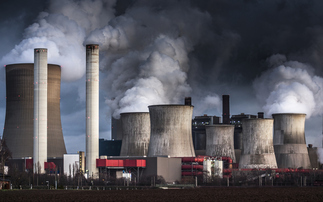
As a result, gas and coal-fired electricity plants have been called upon to make up the shortfall. However, gas prices have recently soared, due to additional demand for Liquid Natural Gas (LNG) from Asia creating a global shortage, and historic low levels of gas in storage ahead of winter causing the UK to rely on expensive imports. This has in turn pushed up electricity prices in the UK.
The return of coal to help meet demand is disappointing news after celebrating record-breaking coal-free periods last year, especially in the run up to the UN Climate Summit in Glasgow, COP26.
The opportunity for businesses
Whilst the current market situation presents some challenges, it also highlights the importance of demand flexibility and the rewards businesses could gain for supporting a low carbon energy system.
As we transition away from fossil fuels towards renewable energy, we will be more reliant on intermittent generation affected by weather, such as the period of low wind we have recently experienced. And the wave of low carbon technology set to connect to the system over the coming years, including electric vehicles and heat pumps, will also put our networks under increased stress at certain times.
This means that system operators will become increasingly reliant on flexibility to ensure demand can match supply. In fact, the Carbon Trust recently suggested that in order to operate an efficient net zero energy system by 2050, 11GW of flexible demand will be needed from commercial users.
Put simply, smart consumption of electricity will help to avoid future network stress events and mitigate the need for expensive and time-consuming infrastructure upgrades, whilst providing businesses with real benefits at the same time.
With the right set-up and market access, consumers can be paid for participating in demand flexibility - tweaking their consumption in line with system needs, all without impacting their operations. This allows businesses to generate revenue whilst directly supporting the energy system, offsetting fossil fuels in the energy mix along the way.
Enabling businesses of all sizes and sectors to participate in demand flexibility will be crucial in the transition to net zero and will help reduce the system's reliance on fossil fuels, one KWh at a time.
Chris Curry is head of flexibility at Bryt Energy.
This article was sponsored by Bryt Energy.
To learn more about how Bryt Energy's optimisation solutions can help your organisation on the next step of its sustainability journey, get in touch with our team of experts at [email protected] or on 0121 726 7575.